The world's best investors don't just have better methods — they have better temperaments.
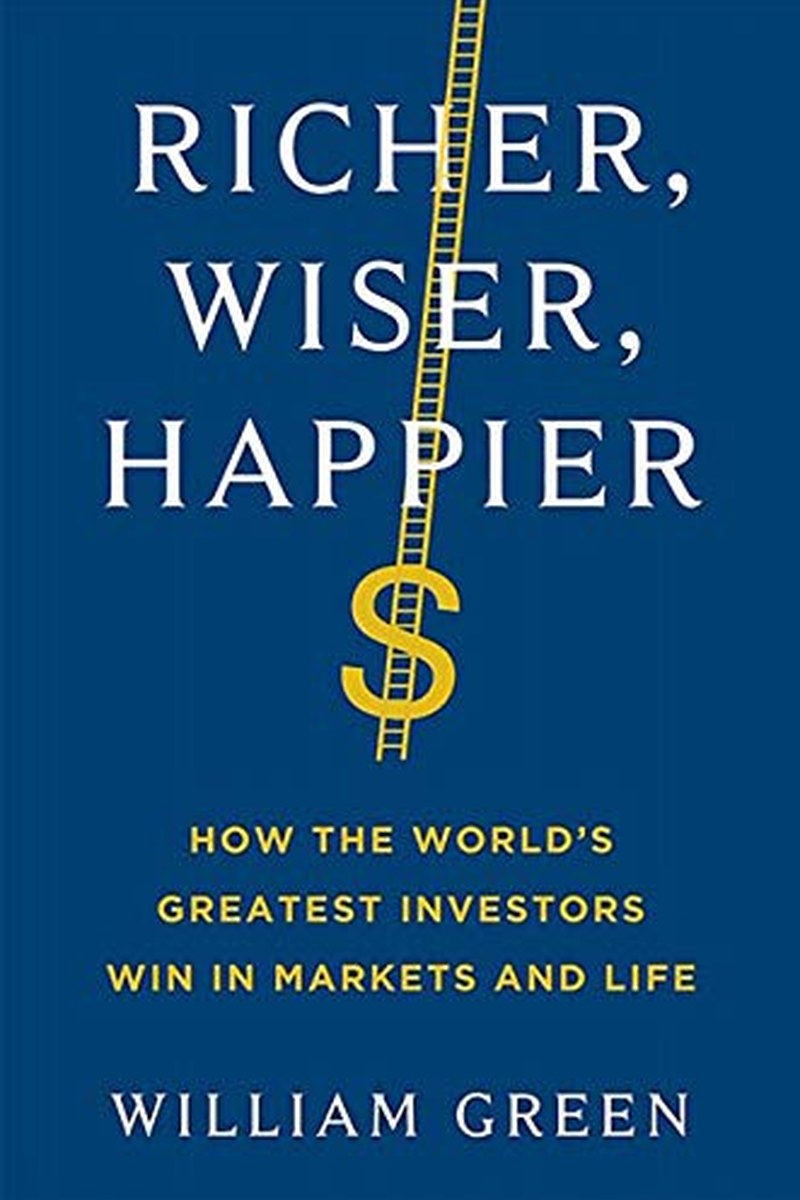
The short version: a quick read to help you decide. Not a replacement for the book.
Green interviewed dozens of legendary investors over 25 years, distilling their shared psychological traits.
The best investors share extreme patience, intellectual humility, a willingness to be unpopular, and a relentless focus on avoiding catastrophic mistakes.
1. Avoiding catastrophic loss matters more than chasing maximum gain.
Survival compounds; blowups end the game.
2. Be willing to look wrong, alone, and unpopular for long stretches.
Great decisions often look foolish for years before they look brilliant.
3. Radical intellectual humility beats overconfidence.
The best investors look for reasons they might be wrong.
4. Simplify relentlessly.
Complexity is often a hiding place for weak thinking.
5. Personal life and investing temperament are deeply connected.
The same traits produce good investors and content people.
Anyone who wants to understand the psychological traits behind long-term investing success.
Principle: Avoiding catastrophic loss matters most.
The action: List the top 3 scenarios that could cause permanent, unrecoverable loss.
Principle: Be willing to look wrong and unpopular.
The action: Identify one out-of-consensus view you hold and write why.
Principle: Radical intellectual humility.
The action: Write the strongest case against one of your holdings.
Principle: Simplify relentlessly.
The action: Identify your most complex holding and try a one-sentence explanation.
Principle: Temperament and contentment are connected.
Complete steps 1–4 first.
The action: Assess whether your investing behavior matches the patient temperament you want.