Suffering isn't a punishment — it's a natural feature of an unexamined mind, and Buddhist practice is a systematic method for working with it.
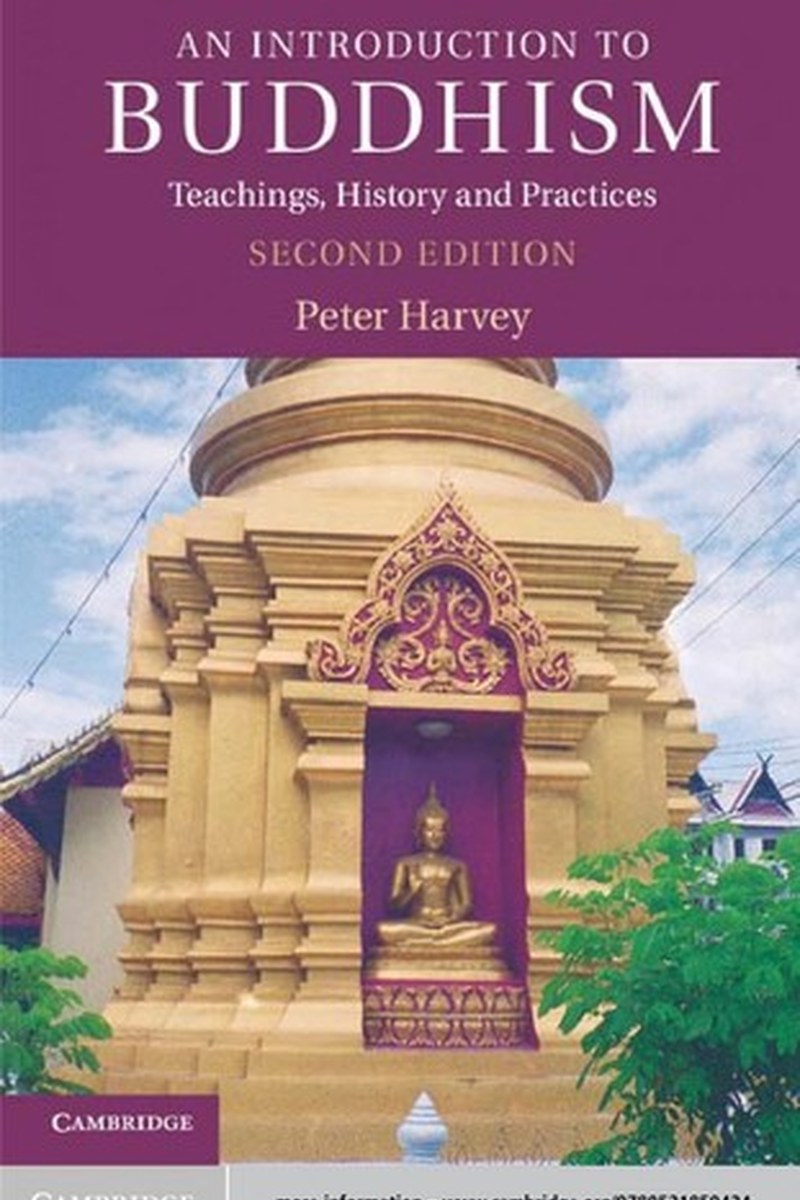
The short version: a quick read to help you decide. Not a replacement for the book.
The Dalai Lama offers an accessible entry point into core Buddhist concepts as practical methods, not abstract theology.
The Four Noble Truths form the foundation: suffering exists, has a cause, can end, and there is a path to end it.
1. Suffering is caused by attachment and craving, not external events.
The same event affects people differently based on attachment.
2. Impermanence is a fact to work with, not fight.
Resisting permanence that doesn't exist is a major source of suffering.
3. Compassion is trainable, not just a personality trait.
It can be cultivated like a skill.
4. The Eightfold Path is practical, not purely spiritual.
A concrete, everyday framework.
5. Mindfulness is the tool for seeing the mind clearly.
Sustained, non-judgmental attention makes the other principles workable.
Readers new to Buddhist philosophy who want a clear, practical introduction.
Principle: Suffering is caused by attachment and craving.
The action: Trace a recent moment of suffering back to the attachment underneath it.
Principle: Impermanence is a fact to work with.
The action: Reflect on what accepting impermanence would look like for something you resist.
Principle: Compassion is trainable.
The action: Spend 5 minutes wishing well-being for someone you find difficult.
Principle: The Eightfold Path is practical.
The action: Apply one element deliberately for a day.
Principle: Mindfulness is the tool for seeing the mind clearly.
The action: Sit in silent, non-judgmental attention for 10 minutes.