Ego isn't confidence — it's the toxic, self-inflating belief in your own importance that quietly sabotages success.
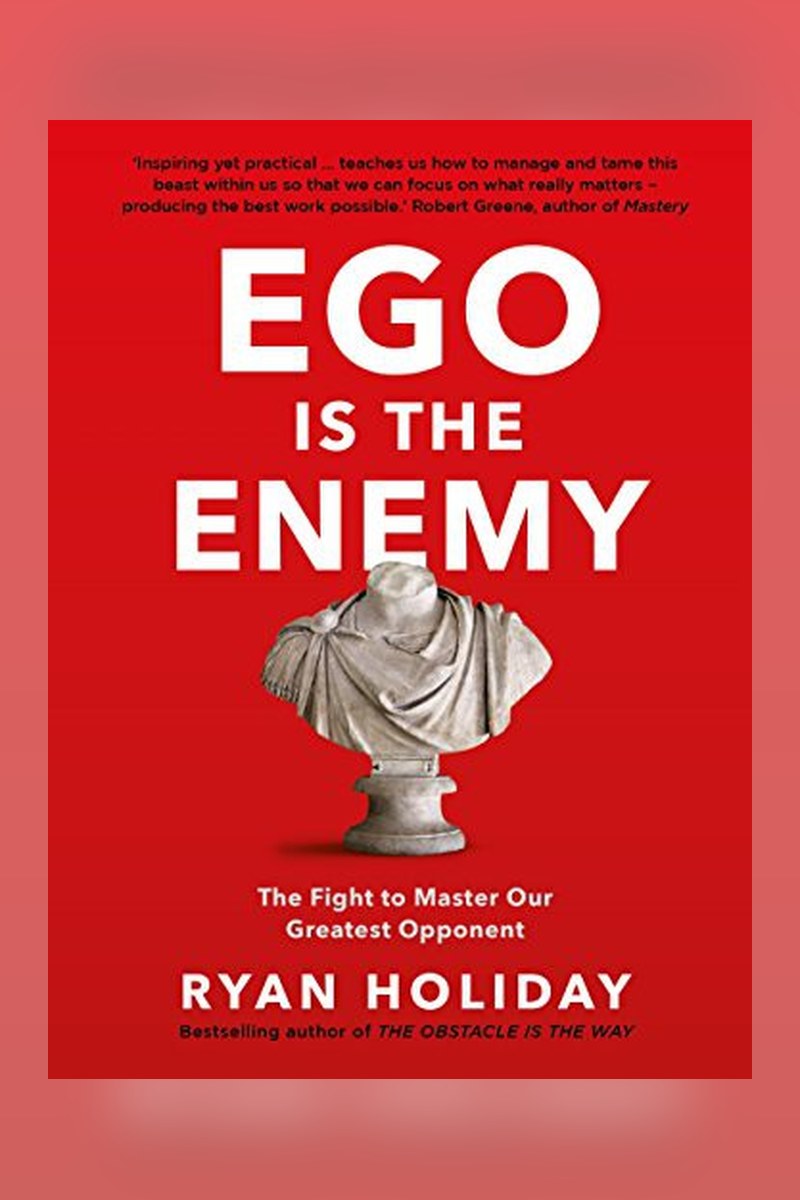
The short version: a quick read to help you decide. Not a replacement for the book.
Holiday shows a consistent pattern: ego derails people at every stage, before success, during it, and after failure.
The greatest threat to any pursuit is the ego's need to feel important, right, and superior — which distorts judgment and blocks learning.
1. Talk is the enemy of the work that matters.
Announcing plans before doing the work is often ego seeking validation.
2. Stay a student, always.
The moment you believe you've "arrived," ego has taken over from growth.
3. Restrain yourself in early success; it's rarely as earned as it feels.
Early wins often owe more to timing and luck than we credit.
4. Define success by your own standards, not the crowd's applause.
Chasing validation is an ego trap.
5. Failure is data, not identity.
Ego turns a failed attempt into a verdict on your worth.
Ambitious people, especially those experiencing early success.
Principle: Talk is the enemy of the work.
The action: Do the work quietly instead of announcing your plan.
Principle: Stay a student, always.
The action: Ask for feedback from someone junior and apply it.
Principle: Restrain yourself in early success.
The action: List the luck factors in a recent win.
Principle: Define success by your own standards.
The action: Write your personal definition of success independent of praise.
Principle: Failure is data, not identity.
The action: Extract the lesson from a failure separately from self-judgment.