The Japanese concept of ikigai — your reason for getting up in the morning — sits at the intersection of what you love, what you're good at, what the world needs, and what you can be paid for.
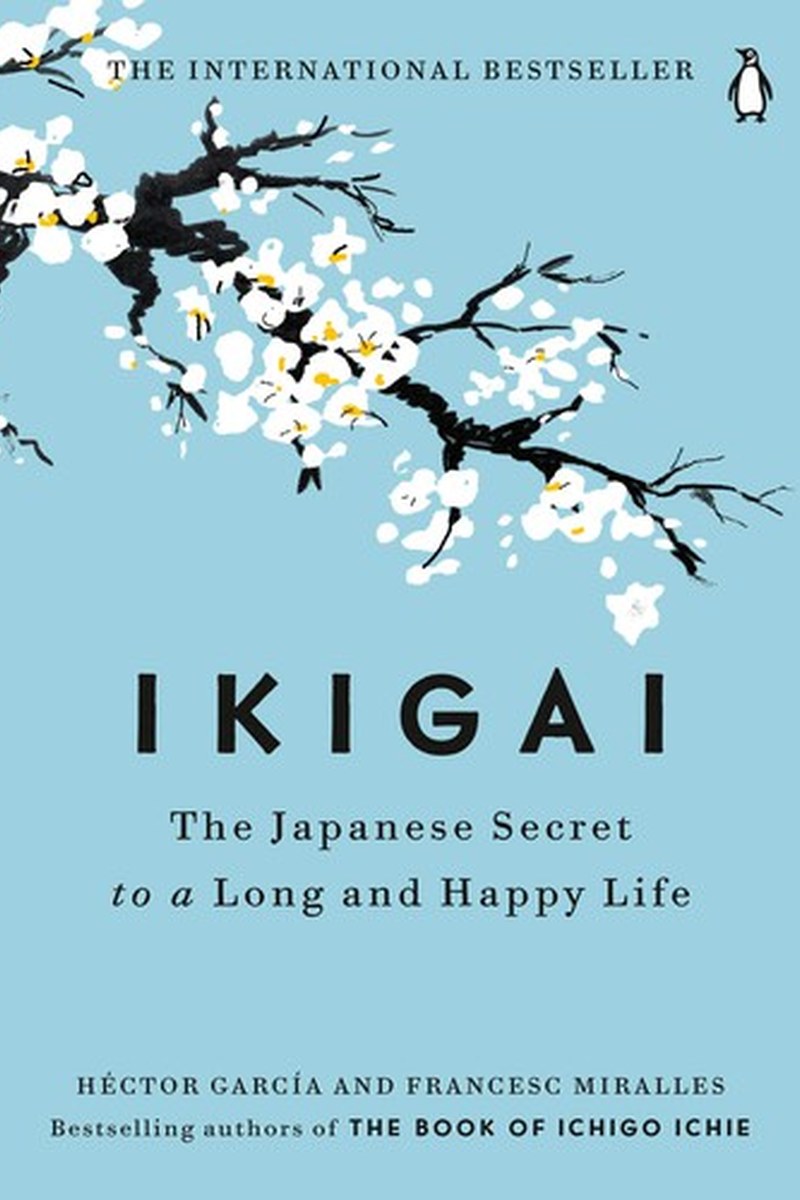
The short version: a quick read to help you decide. Not a replacement for the book.
Garcia and Miralles spent time with residents of Okinawa, a Blue Zone where people live past 100 with evident purpose.
Ikigai is found at the convergence of four elements and is an ongoing orientation, not a one-time discovery.
1. Your ikigai is not one big thing — it is the texture of daily life.
Found in small daily things, not grand purpose statements.
2. Flow is the state closest to ikigai.
Complete absorption is both a sign and a pathway.
3. Stay active, stay curious, never fully retire.
Purpose and activity are strong predictors of healthy ageing.
4. The antifragile garden — tend what is living, remove what is not.
Life as a living system requiring daily attention.
Anyone at a transition point — career change, retirement, or a period of questioning what matters.
Principle: Ikigai sits at the convergence of four elements.
The action: Map what you love, are good at, the world needs, and you can be paid for.
Principle: Regular flow states are a sign and pathway to ikigai.
The action: Identify your three most reliable flow activities and increase time in one.
Principle: Ikigai is found in the texture of daily life.
The action: Design a morning routine under 60 minutes with four purposeful elements.