Markets move in cycles driven by human emotion. You can't predict where the cycle is going — but you can know where you stand in it.
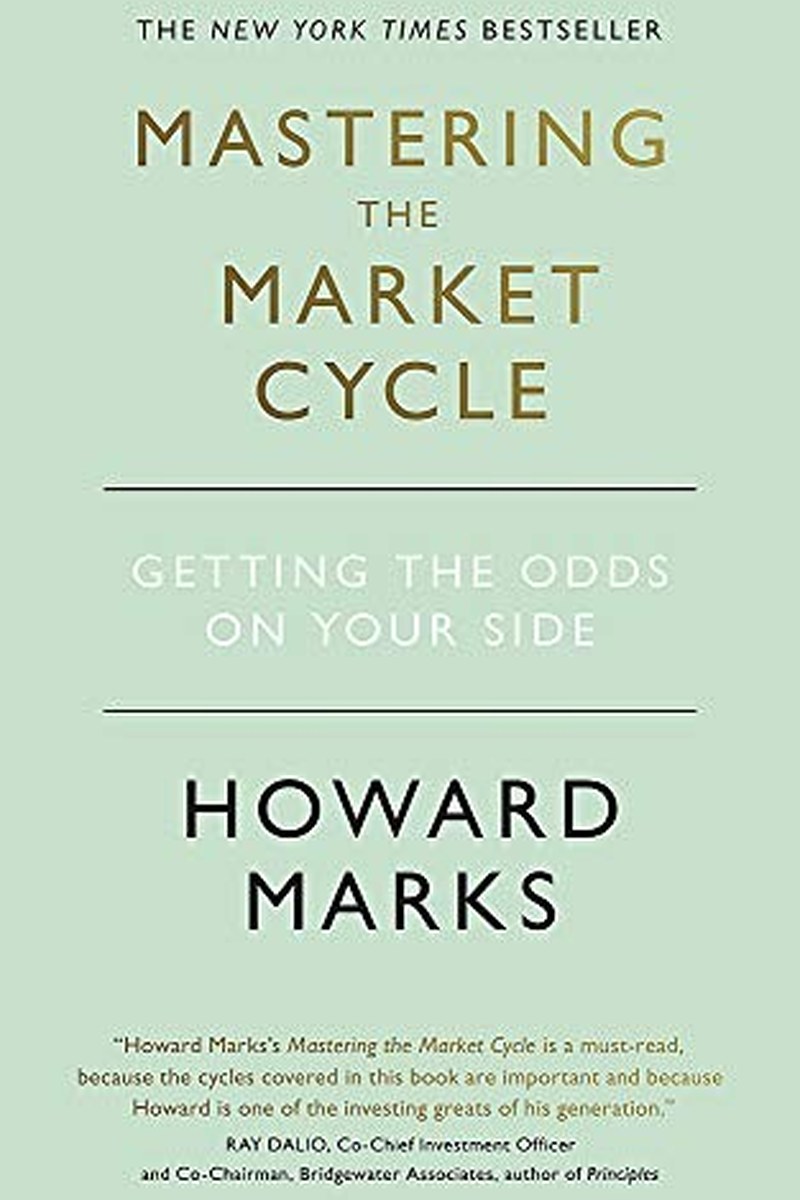
The short version: a quick read to help you decide. Not a replacement for the book.
The companion volume to The Most Important Thing — this one goes deep on a single concept: the cycle.
Every market moves in cycles driven by fundamentals and investor psychology. Understanding cycles doesn't mean predicting them — it means recognising the current environment and calibrating posture.
1. Cycles don't have fixed lengths — but they do have fixed human causes.
The psychology pattern repeats even when specifics differ.
2. The pendulum always swings past fair value in both directions.
Markets overshoot in euphoria and undershoot in panic.
3. When everyone is comfortable, be cautious. When everyone is scared, be open.
The hardest and most rewarding thing in investing.
4. Your job is not to predict the cycle — it is to position for multiple possible outcomes.
Intelligent positioning, not market timing.
Best read after The Most Important Thing — essential for understanding market behavior during sentiment extremes.
This tracker covers both The Most Important Thing and Mastering the Market Cycle by Howard Marks — read them together for the full picture.
Principle: First-level thinking produces average results.
The action: Take one investment and run it through both first-level and second-level questions.
Principle: Risk is the probability of permanent loss, not volatility.
The action: Review your portfolio for permanent-loss scenarios vs. price-drop-only holdings.
Principle: You can't predict the market but you can assess where you stand.
The action: Score five market signals from 1 (fear) to 10 (greed) and calculate the average.
Principle: A good outcome doesn't prove a good decision.
The action: Review three past decisions on process rather than outcome.