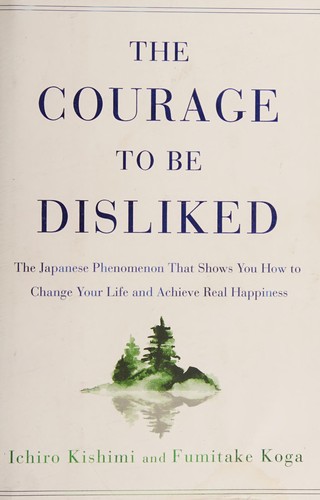
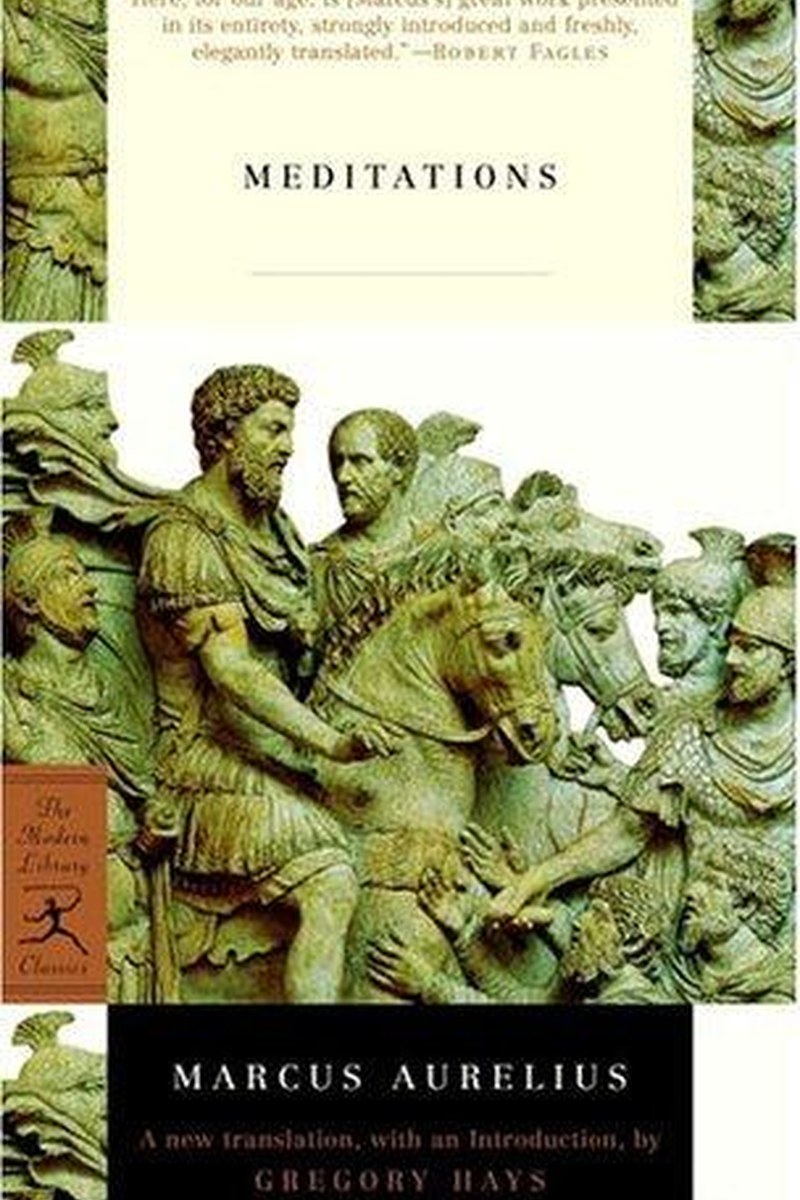
The private journal of a Roman emperor, written with no intention of publication — one of the most enduring guides to living well ever produced.
The short version: a quick read to help you decide. Not a replacement for the book.
Marcus Aurelius ruled an empire, commanded armies, and faced plagues and wars, all while returning to the same fundamental questions about living rightly.
A collection of reflections showing Stoic philosophy in practice: returning to reason, maintaining equanimity, and accepting transience.
1. You have power over your mind, not outside events.
The quality of your inner life is entirely within your control.
2. The impediment to action advances action.
What stands in the way becomes the way.
3. Waste no more time arguing about what a good person should be — be one.
Action over abstract theorizing.
4. How quickly things disappear.
Transience as a clarifying lens that dissolves unnecessary suffering.
Anyone drawn to philosophical depth rather than practical frameworks.
Principle: Writing to yourself is the point.
The action: Spend 5 minutes each morning for 14 days writing a philosophical reminder to yourself.
Principle: What stands in the way becomes the way.
The action: Write what an obstacle requires of you and how it makes you better.
Principle: Transience as a clarifying lens.
The action: Ask whether a current stressor will matter in 10 or 100 years.