Your belief about whether your abilities can grow determines almost everything about how you respond to difficulty.
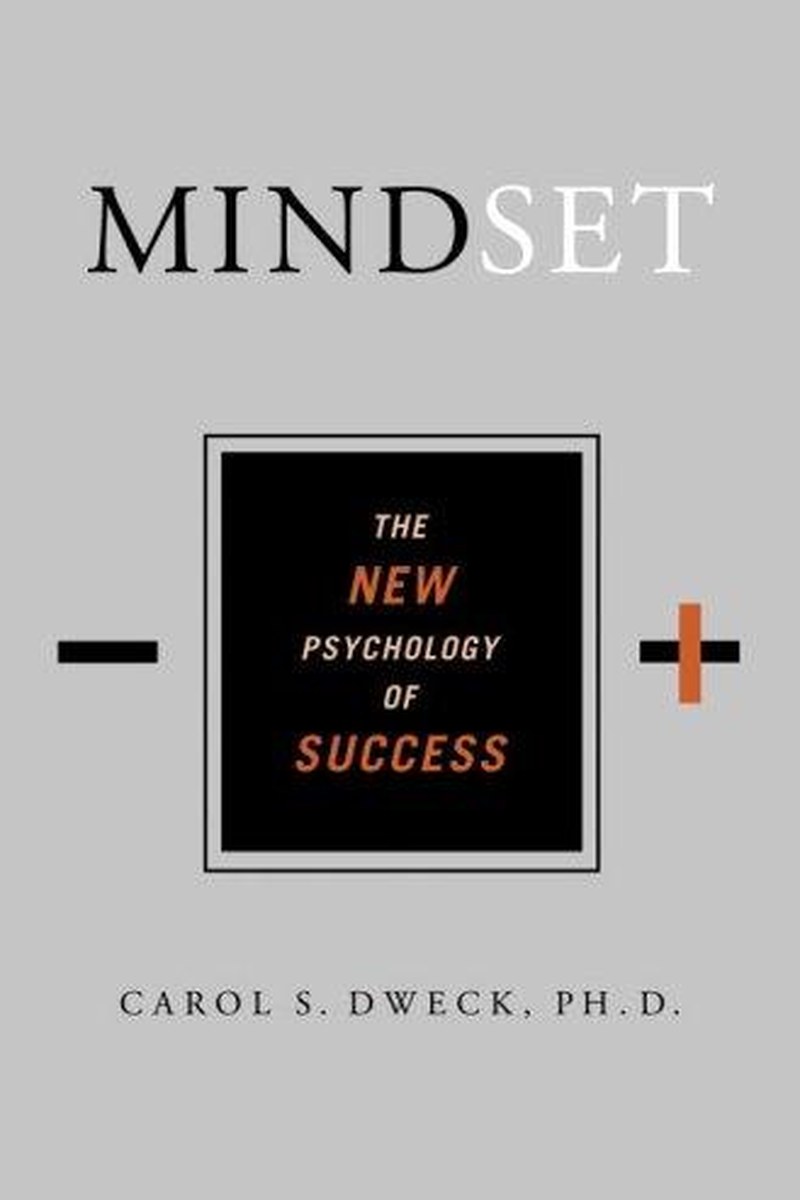
The short version: a quick read to help you decide. Not a replacement for the book.
This one is what keeps everything intact when things go wrong — and things will go wrong. Mindset is the book that determines whether you learn from setbacks or are defeated by them.
Carol Dweck spent 30 years researching how people respond to challenge, failure, and effort. A fixed mindset believes abilities are innate, so failure is a verdict on who you are. A growth mindset believes abilities develop through effort, so failure is feedback.
1. Failure is feedback, not verdict.
The fixed mindset turns setback into evidence of permanent limitation; the growth mindset turns it into information about what to adjust.
2. Effort is the mechanism, not the consolation prize.
Effort is literally how the brain builds new capability.
3. "Yet" is one of the most powerful words in your vocabulary.
"I can't do this yet" keeps the door open to learning and growth.
4. Your triggers are predictable — and that makes them manageable.
Knowing your specific triggers means you can catch the slip and choose a different response.
5. Praise effort, not outcomes — especially in yourself.
Praising effort produces growth mindset; praising intelligence produces fixed mindset.
Anyone who has abandoned a financial goal after a setback or avoided an investment for fear of looking foolish.
How to use this: The goal is not to think differently — it's to respond differently.
Principle: Fixed vs. Growth Mindset.
The action: Answer four honest questions about your instinctive reactions to failure, difficulty, others' success, and effort. Mark each F or G.
Principle: The Power of Yet.
The action: For one week, catch every "I can't" and rewrite it with "yet" plus one specific next step.
Principle: Fixed Mindset Triggers.
The action: Identify 2–3 situations that push you into fixed mindset, and write your automatic vs. chosen response for each.
Principle: Failure is Feedback.
The action: Choose one setback and write: what happened, what you told yourself, what the data showed, what you'd adjust, what you learned.
Principle: Effort is the Path to Mastery.
The action: For 30 days, add two weekly questions: what effort did I make, and what did I learn.