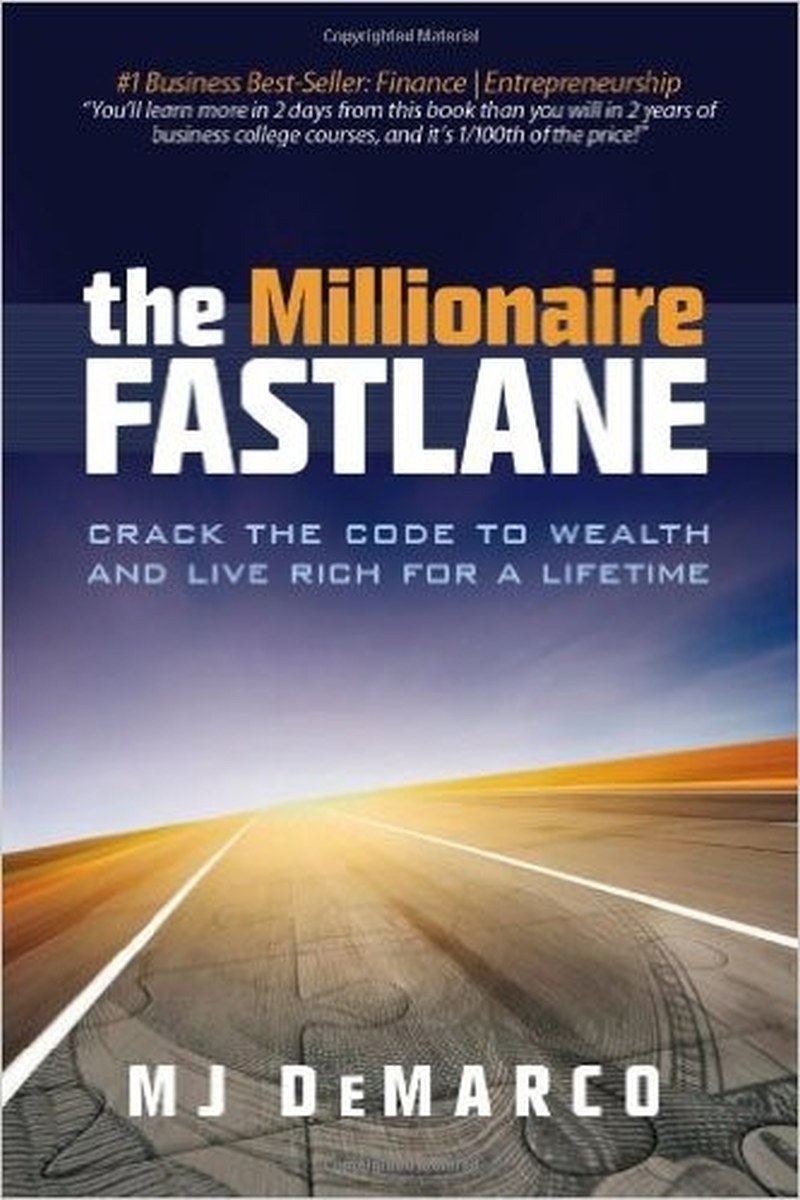
Most people are taught to trade time for a paycheck and call their liabilities “assets.” This book teaches you to tell the difference — and to spend your life building the column that actually pays you.
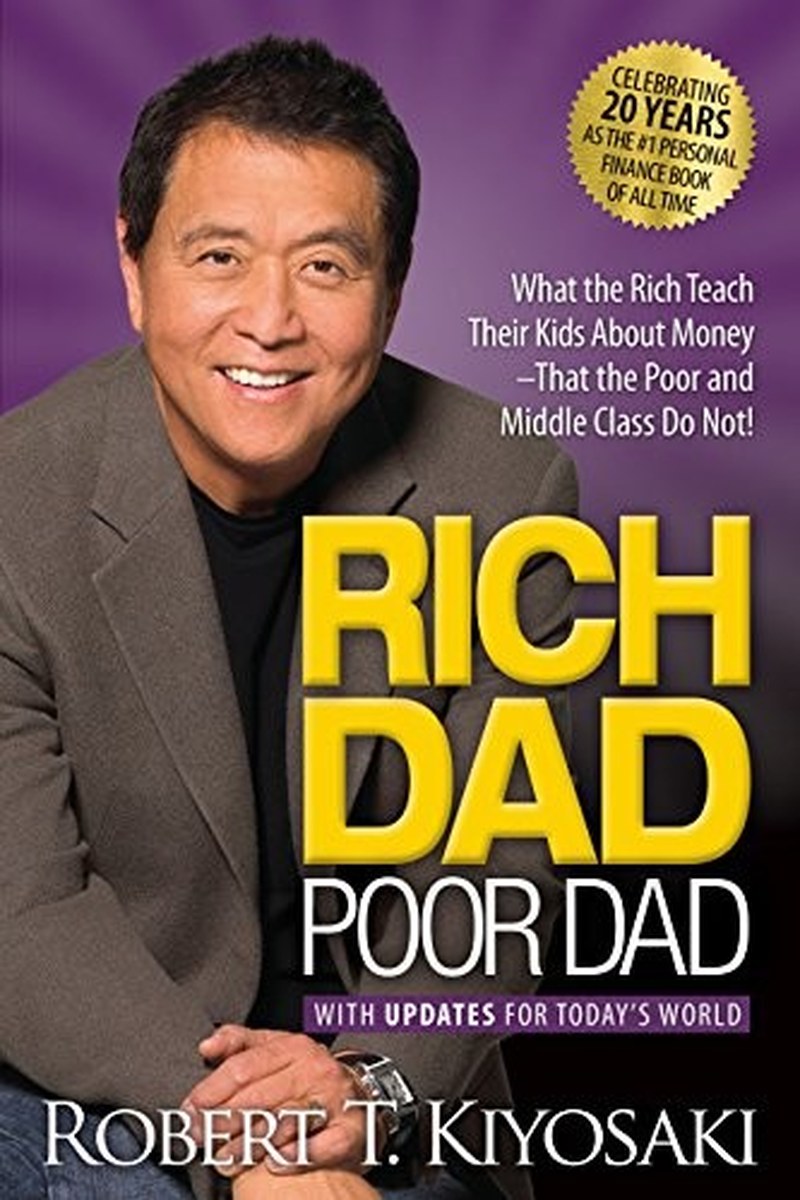
The short version: a quick read to help you decide. Not a replacement for the book.
It's the book that reframes the entire game. Not "work harder," not "save more" — but *which column are you building*. Once that distinction clicks, every other financial decision gets simpler to evaluate.
Kiyosaki frames the book around two father figures: a highly-educated "Poor Dad" who believed in job security, and a self-made "Rich Dad" who believed in financial education. Same intelligence, same work ethic — different results, because of what each one taught about money.
The dividing line isn't talent or effort. It's whether your financial education tells you to chase income, or to build assets.
1. The rich don't work for money — they build things that work for them.
A paycheck has a ceiling: 24 hours in a day. Assets don't have that ceiling.
2. An asset puts money in your pocket. A liability takes money out.
Your house, your car, your job — none of these are assets by Kiyosaki's definition, even if they *feel* like wealth. The test is simple: does it pay you, or does it cost you?
3. Not all assets are equal — chase the ones that generate income.
Appreciation is a bonus. Cash flow is the goal. Financial freedom is the day your assets' income covers your expenses.
4. Track cash flow, not income.
A bigger paycheck with bigger spending is still flying blind. What's left over after expenses is the only number that builds wealth.
5. Leverage, used on assets, accelerates everything.
Borrowed money used to acquire an income-generating asset multiplies your return on the cash you actually put in. The same borrowed money used on a liability just multiplies your risk.
Anyone whose income has grown but whose net worth hasn't moved with it. Especially useful if you've never been taught to read your own cash flow.
How to use this: Don't try to do all 5 in one week. Pick the one that exposes the biggest gap in your current habits, run it for 7–30 days, then move to the next.
Principle: The rich don't work for money; they build things that work for them.
The action: List every source of money currently flowing into your life. Label each one "Time" (you trade hours for it) or "Asset" (it pays you without your direct hours). No source can be both.
Principle: An asset puts money in your pocket; a liability takes money out.
The action: List your five biggest "things you own." For each, write the actual monthly cash impact — positive or negative. Be honest about the house and the car.
Principle: Chase assets that generate income, not just ones that might appreciate.
The action: Choose one category — property, dividend stocks, a small business, royalties — and write a one-page plan: entry cost, expected monthly income, and your first concrete step.
Principle: Cash flow, not income, is what builds wealth.
The action: Log every dollar in and every dollar out for 30 days. At the end, calculate one number: average monthly surplus available to invest.
Principle: Leverage on assets accelerates wealth; leverage on liabilities accelerates risk.
Complete steps 1–4 before starting this one. If in doubt, speak with a qualified financial adviser before acting.
The action: Research one legitimate way to use borrowed capital toward an income-generating asset. Write out the downside case before the upside case.