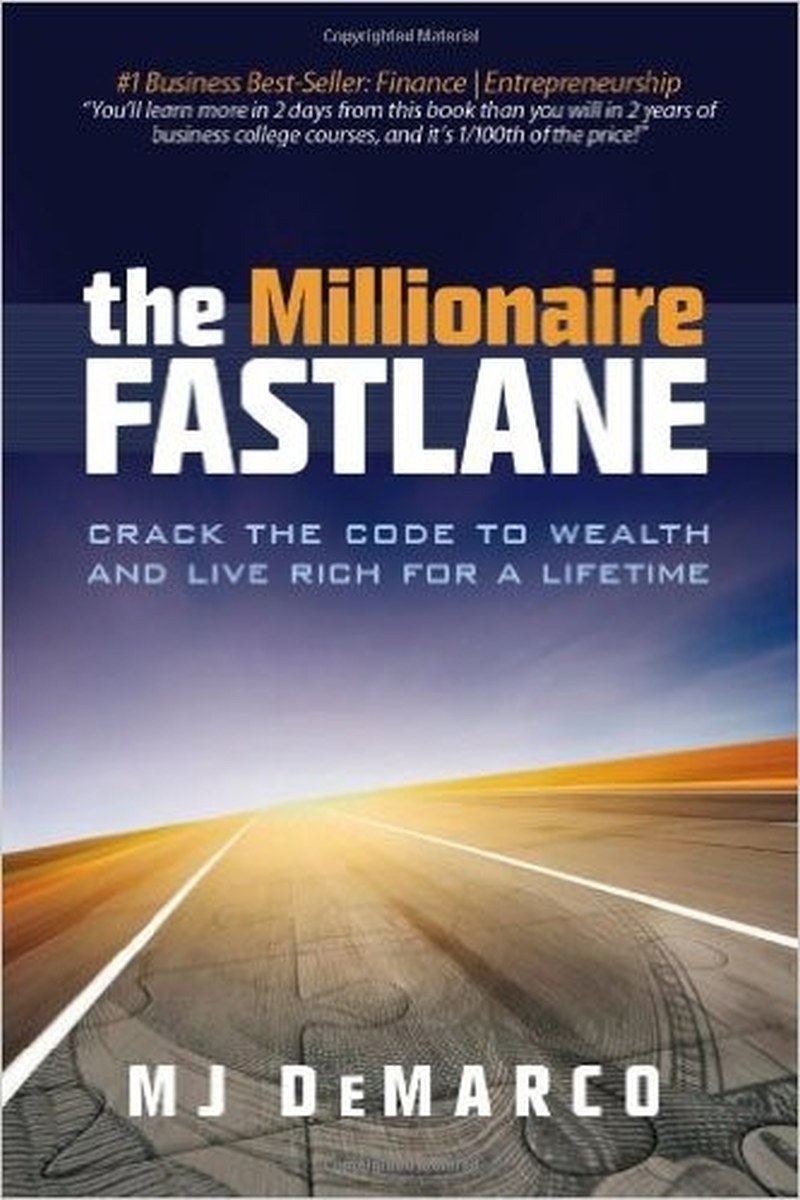
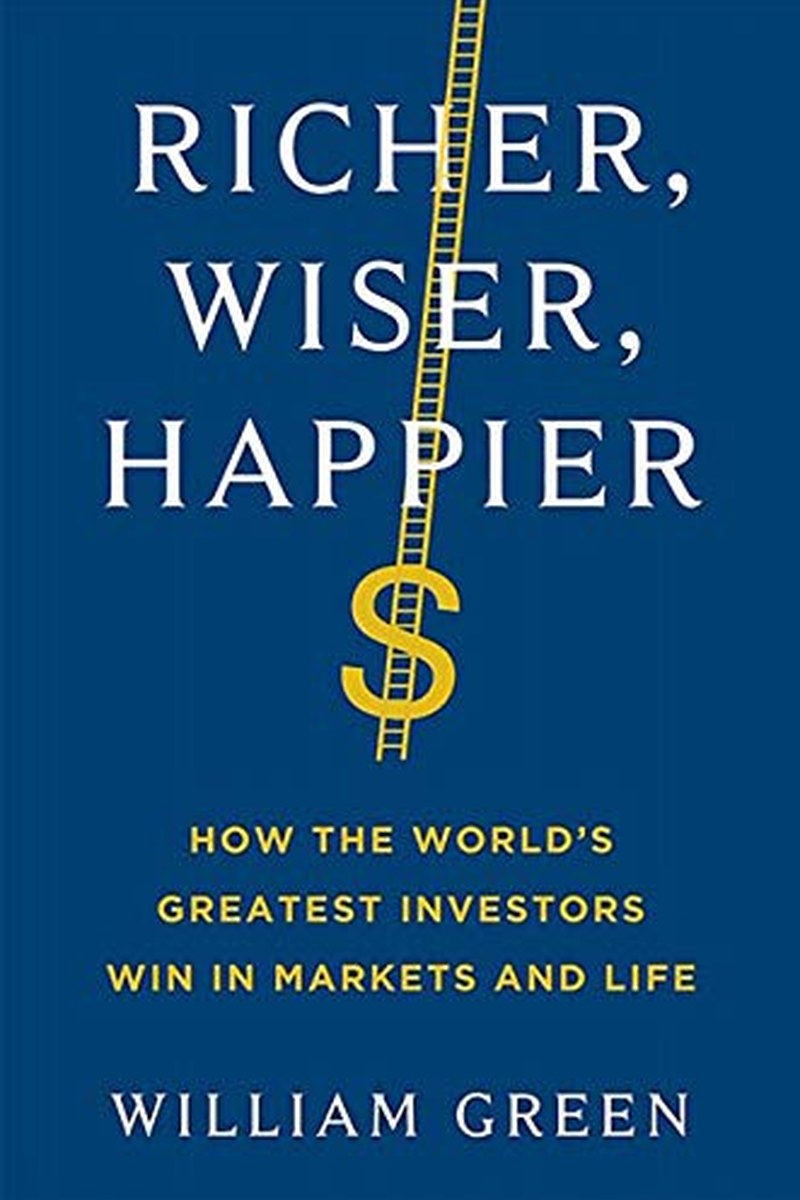
Buffett's annual shareholder letters, organized by theme, are the closest thing to a personal masterclass from the greatest investor of the modern era.

The short version: a quick read to help you decide. Not a replacement for the book.
Cunningham compiled decades of Berkshire Hathaway shareholder letters into a single, thematically-organized volume.
Buffett's philosophy is a consistent worldview: treat stock ownership as partial ownership of a real business, value honest management, and favor simplicity and long time horizons.
1. Buy businesses, not stock tickers.
Think like a part-owner of a real, operating business.
2. Look for a durable competitive advantage — a "moat."
That durability is what makes long-term compounding possible.
3. Circle of competence matters more than raw intelligence.
Knowing what you understand prevents catastrophic mistakes.
4. Management integrity is a financial metric, not just an ethical one.
Dishonest reporting eventually shows up in the numbers.
5. Time is the friend of the wonderful business and the enemy of the mediocre one.
Compounding rewards patience with quality.
Anyone who wants Buffett's philosophy in his own voice, organized for reading.
Principle: Circle of competence matters more than raw intelligence.
The action: List 3 industries you genuinely understand well enough to judge a business's prospects.
Principle: Buy businesses, not stock tickers.
The action: Read a company's last annual report as if buying the whole business.
Principle: A durable advantage sustains compounding.
The action: Write what stops competitors eroding this company's profits over 10 years.
Principle: Integrity is a financial metric.
The action: Compare how management described a past mistake vs. how it played out.
Principle: Time is the friend of the wonderful business.
Complete steps 1–4 first.
The action: For a business that passes all checks, write your minimum holding period.