The stock market will always offer you the opportunity to be stupid. This book is about how to be the rare investor who doesn't take that offer.
The short version: a quick read to help you decide. Not a replacement for the book.
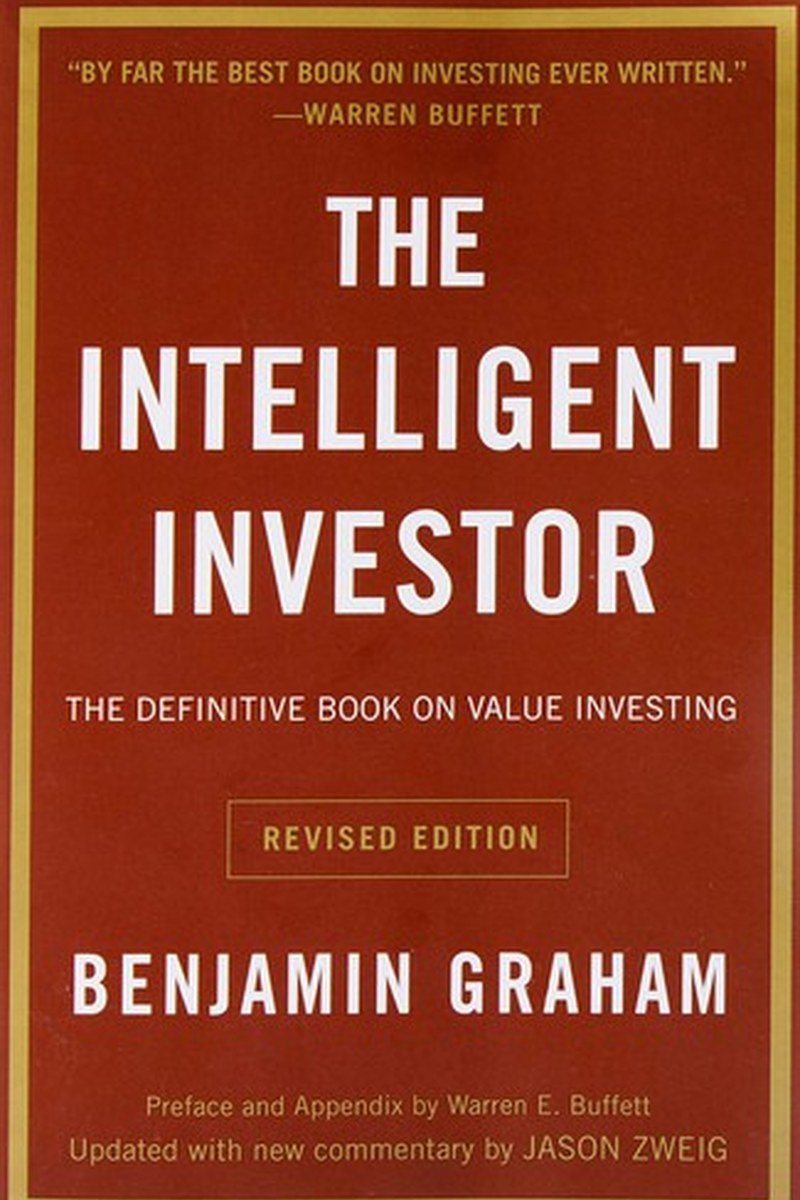
Warren Buffett called it the best book on investing ever written. Graham wrote it in 1949 and it remains the definitive case for a simple, disciplined, evidence-based approach to investing.
Graham draws a fundamental distinction between the speculator, who tries to profit from predicting short-term price movements, and the investor, who buys ownership stakes in businesses at sensible prices and holds them with patience and discipline.
1. Mr. Market is your servant, not your guide.
Graham's famous metaphor: use Mr. Market's mood swings to your advantage rather than being led by them.
2. The margin of safety is the most important concept in investing.
Never pay full price for something that might be worth less than you think.
3. Distinguish between the defensive and enterprising investor — and know which one you are.
Most people should be defensive investors.
4. Price and value are not the same thing.
These two numbers diverge constantly, and that's where intelligent investors find opportunity.
5. Your biggest enemy is yourself.
Temperament, not intellect, is the defining quality of a successful investor.
Anyone who has money in the market and wants to understand the principles behind superior long-term results.
How to use this: These are guardrails that keep you disciplined when temptation peaks.
Principle: Defensive vs. Enterprising.
The action: Answer four honest questions about your time, risk tolerance, and goals to identify your investor type.
Principle: Mr. Market is your servant.
The action: Write your personal rules for market extremes before you need them.
Principle: Always buy with a buffer between price and value.
The action: Run the margin of safety check before your next investment.
Principle: Simple, diversified, rebalanced — and left alone.
Complete steps 1–3 before starting this one. Speak with a qualified financial adviser before making significant portfolio changes.
The action: Review your portfolio against four criteria and write corrective actions for gaps.