Cryptocurrency investing rewards a framework, not hype — this book strips out the noise and gives beginners a structured way to think about a genuinely new and volatile asset class.
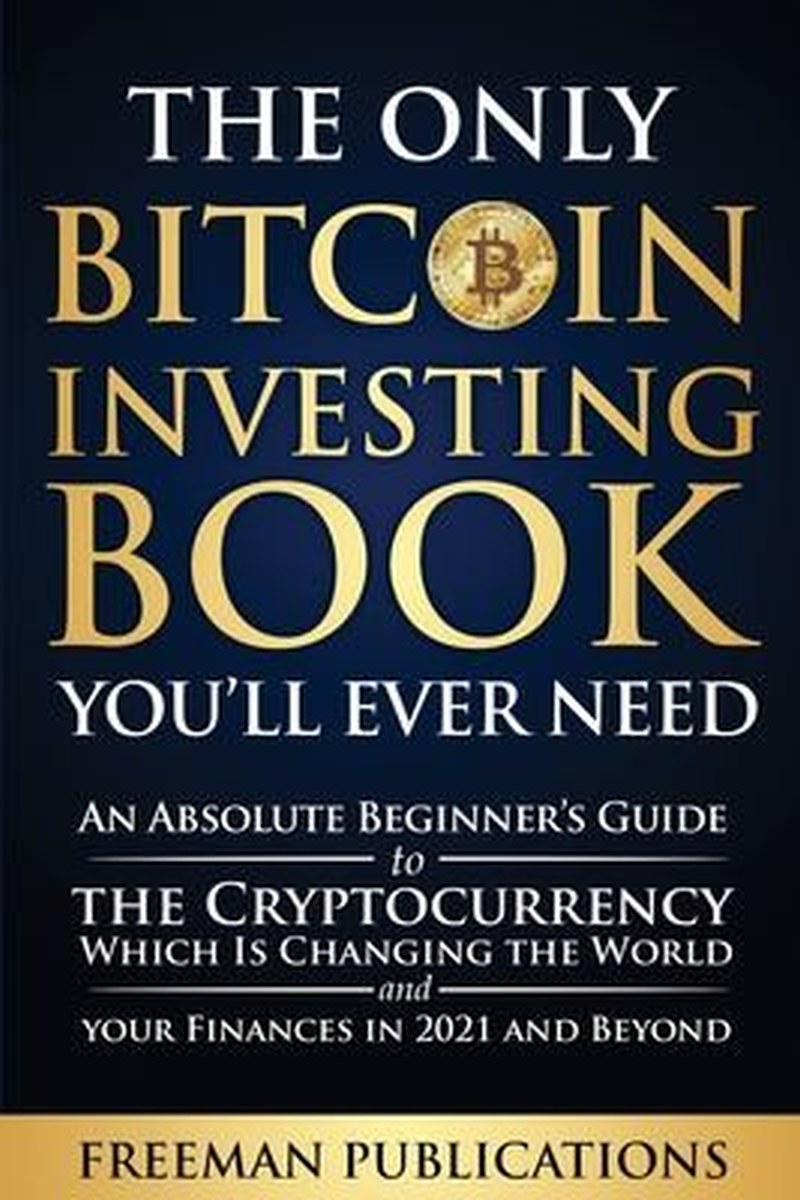
The short version: a quick read to help you decide. Not a replacement for the book.
Written for newcomers rather than traders, it focuses on fundamentals, risk management, and portfolio construction rather than short-term speculation.
Cryptocurrency is a legitimate but highly volatile asset class that requires the same discipline as any other investment.
1. Understand what you're buying before you buy it.
Bitcoin, Ethereum, and altcoins solve different problems with different risk profiles.
2. Position size for survival, not for maximum upside.
Never invest more than you can afford to see fall 80%.
3. Self-custody is a real responsibility, not a technicality.
Losing access is as final as losing the money.
4. Regulatory and technological risk are ongoing, not one-time.
The rules of the game are still evolving.
5. Dollar-cost averaging reduces the cost of being wrong about timing.
Spreading purchases over time reduces entry-timing risk.
Complete beginners to cryptocurrency who want a structured, risk-aware introduction.
Principle: Understand what you're buying.
The action: Pick one coin and write its use case and how it differs from Bitcoin.
Principle: Position size for survival.
The action: Decide the max % of your portfolio assuming an 80% drawdown.
Principle: Self-custody is a real responsibility.
The action: Set up a wallet, back up your seed phrase, test a small withdrawal.
Principle: DCA reduces timing risk.
The action: Set a fixed amount and interval for purchases.
Principle: Regulatory risk is ongoing.
Complete steps 1–4 first.
The action: Every quarter, note regulatory changes affecting your holdings.