Words used well de-escalate almost any situation. Words used poorly escalate every situation.
The short version: a quick read to help you decide. Not a replacement for the book.
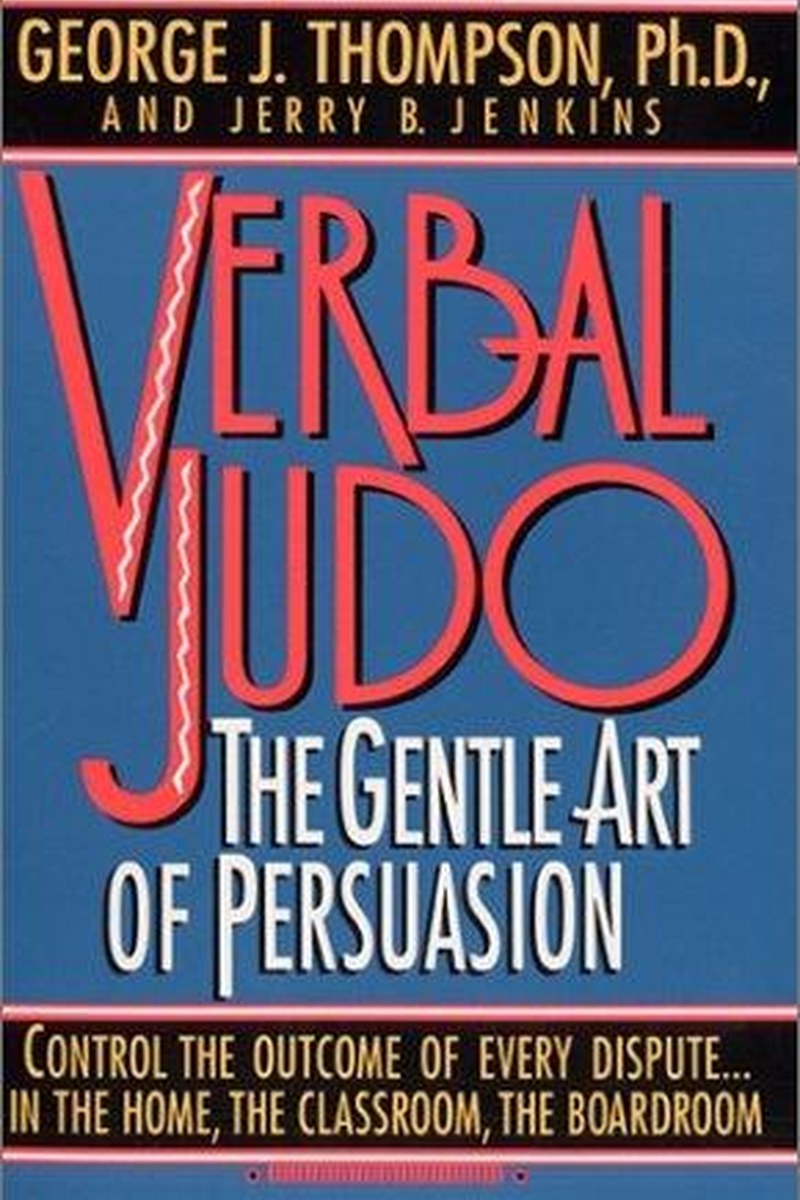
Thompson, a former police officer and English professor, developed techniques for communicating under pressure.
Rather than meeting force with force, redirect the energy of the other person toward a productive outcome — preserving their dignity.
1. Never use words that generate emotional heat without producing results.
Phrases like "calm down" almost universally escalate conflict.
2. Empathy is a tactical tool, not just a virtue.
Demonstrating understanding dramatically reduces resistance.
3. Give people a face-saving way to comply.
Framing requests as choices increases cooperation.
4. Your greatest weapon is your mouth — and your greatest enemy is your own tongue.
The pause before speaking is a trainable skill.
Anyone who regularly navigates difficult conversations in leadership, sales, or relationships.
Principle: Some phrases generate heat without results.
The action: Audit your language for escalation phrases and write personal replacements.
Principle: Demonstrating understanding reduces resistance before addressing content.
The action: Prepare and use an empathy statement in your next difficult conversation.
Principle: The pause prevents most communication damage.
The action: Practice noticing emotional charge and pausing before responding for two weeks.