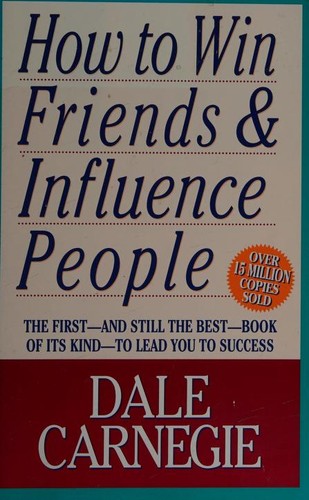
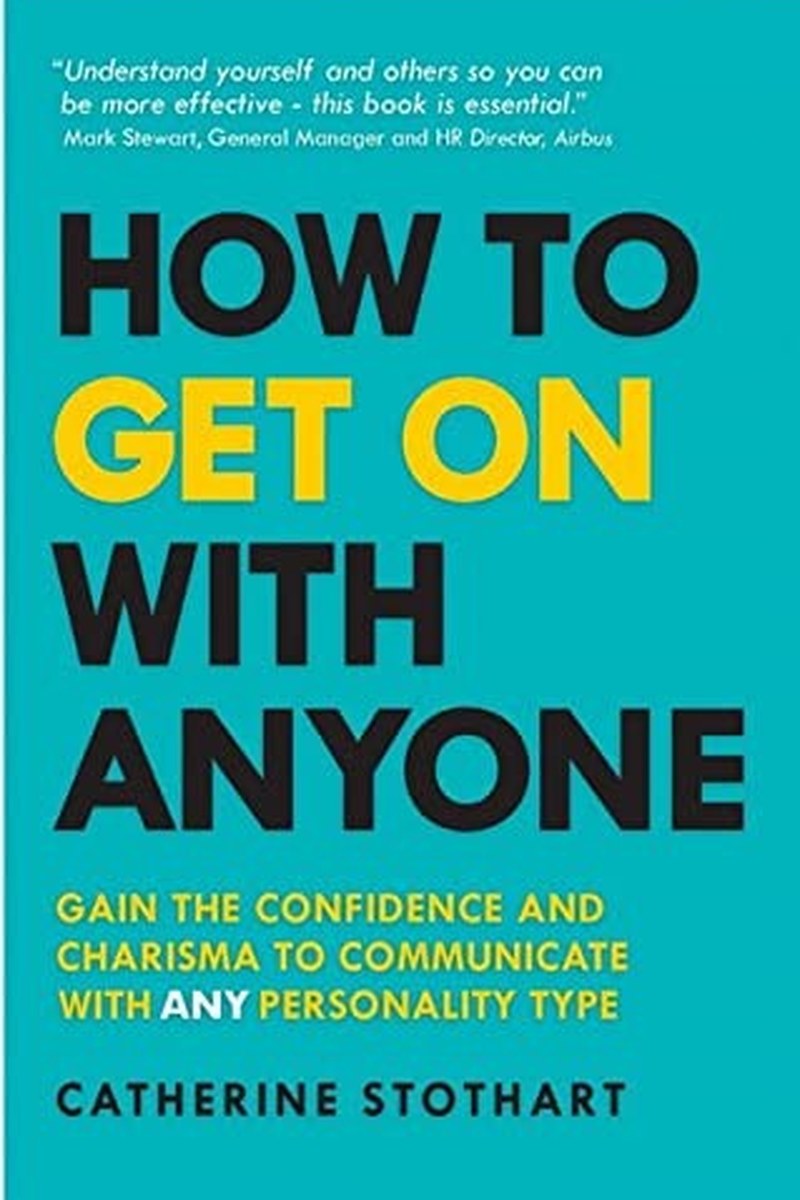
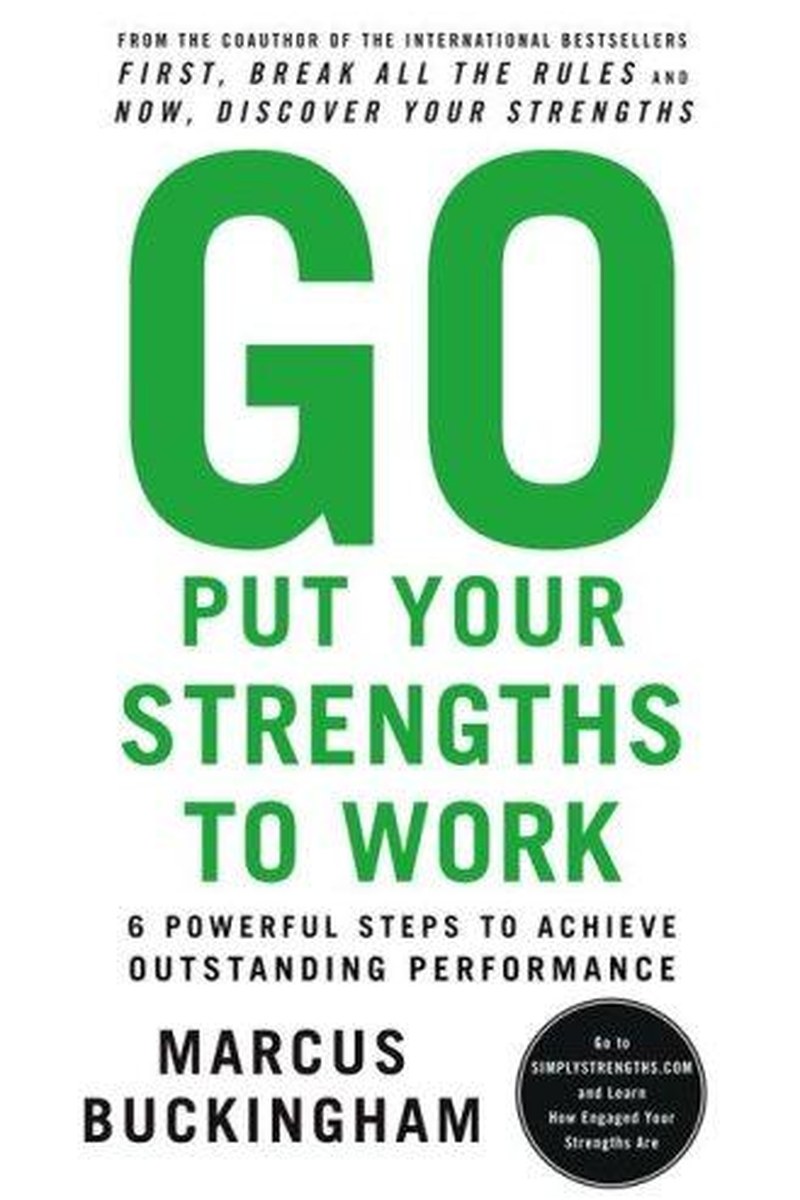
The best managers don't follow conventional wisdom — they deliberately break it, because people don't change much, so the job is finding the right fit.
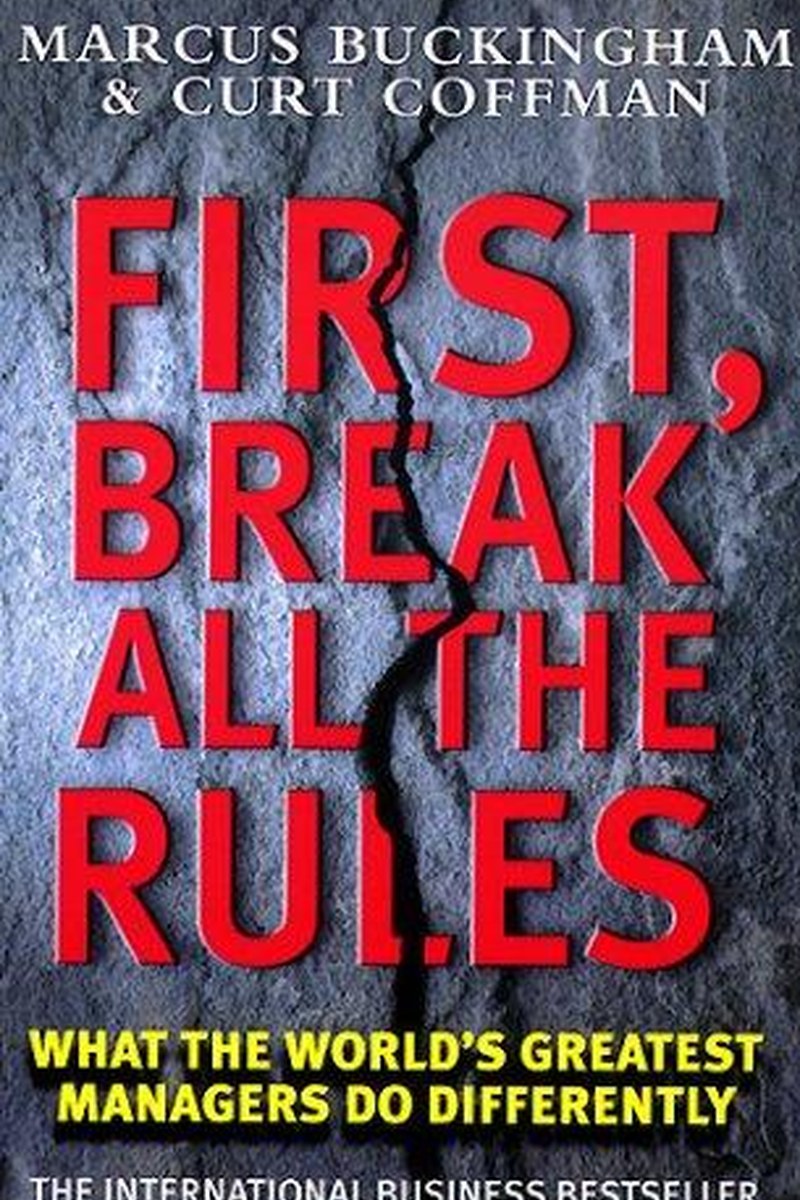
The short version: a quick read to help you decide. Not a replacement for the book.
Based on Gallup's study of over 80,000 managers, identifying what the best managers do differently.
Great managers focus on identifying each person's natural talents, defining clear outcomes, and getting out of the way of how they're achieved.
1. People don't change that much.
Don't waste time trying to put in what was left out.
2. Define the right outcomes, not the right steps.
Different people reach the same result through different paths.
3. Select for talent, not just experience or intelligence.
A recurring pattern predicts performance better than credentials.
4. Focus on strengths, manage around weaknesses.
The better return is building on natural strengths.
5. The best managers are consistent, not identical.
There's no single "correct" management personality.
Managers who want evidence-based alternatives to one-size-fits-all leadership advice.
Principle: People don't change that much.
The action: Identify a weakness you've been trying to fix and redesign around it.
Principle: Define the right outcomes.
The action: Give an outcome-only brief for a task you over-specify.
Principle: Select for talent, not just experience.
The action: Define the talent pattern needed for your next hire or assignment.
Principle: Focus on strengths.
The action: Give a team member a new opportunity to use their strength.
Principle: Consistent, not identical.
Complete steps 1–4 first.
The action: Write your management principles in your own words.