Most workplace conflict isn't about disagreement over facts — it's about clashing behavioral styles.
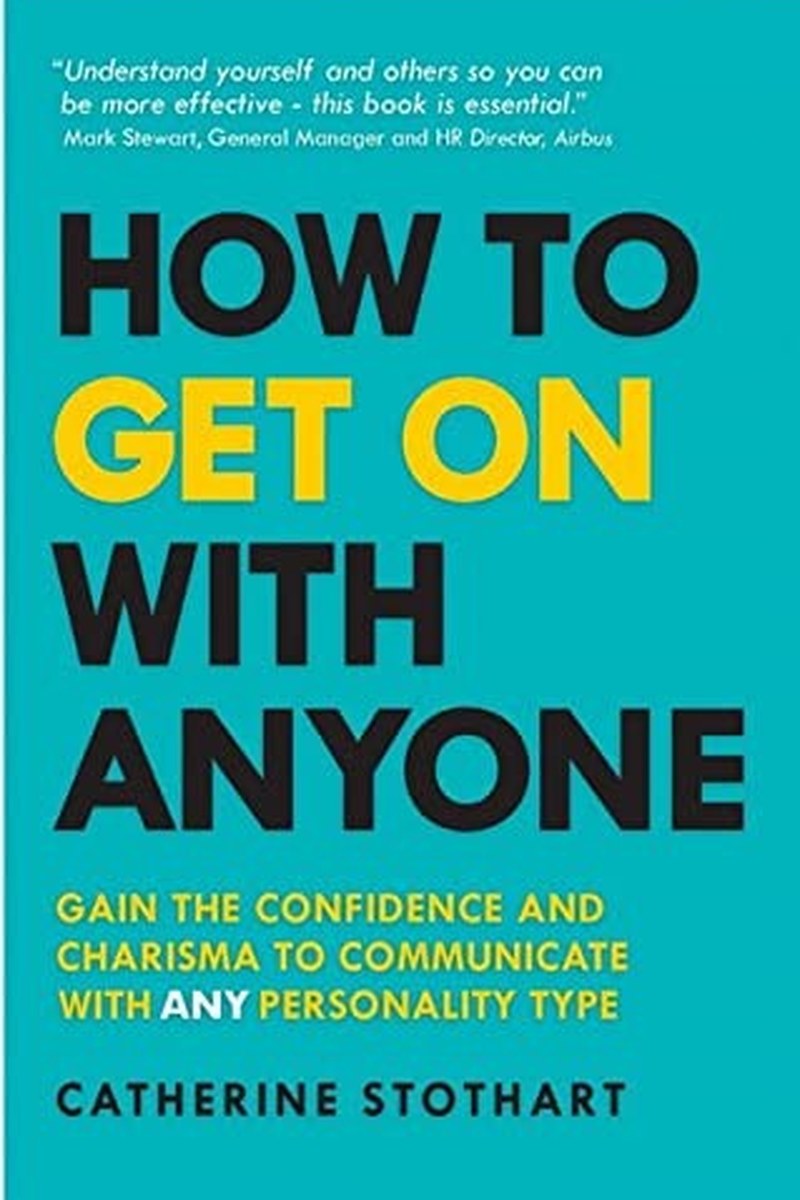
The short version: a quick read to help you decide. Not a replacement for the book.
Stothart gives a practical guide for adapting communication to different personality types at work.
People have consistent behavioral preferences; conflict often arises simply from two styles talking past each other.
1. Identify the other person's style before you decide how to communicate.
The same message needs different framing for different styles.
2. Most conflict is a style clash, not a values clash.
Recognizing this prevents escalation.
3. Adapt your delivery, not your substance.
Just how you frame it needs to change.
4. Difficult people are usually predictable, not random.
Understanding style makes "difficult" behavior explainable.
5. Self-awareness of your own style is the prerequisite.
You can't adapt to others until you know your own defaults.
Anyone who regularly navigates friction with colleagues, managers, or clients.
Principle: Self-awareness is the prerequisite.
The action: Reflect to identify your own default behavioral style.
Principle: Identify the other person's style before communicating.
The action: Pick a challenging colleague and identify their style.
Principle: Most conflict is a style clash.
The action: Revisit a disagreement as a possible style mismatch.
Principle: Adapt your delivery, not your substance.
The action: Rewrite an upcoming message for that colleague's style.
Principle: Difficult people are predictable.
Complete steps 1–4 first.
The action: Predict a colleague's reaction based on style, then check accuracy.