People are moved by how you make them feel about themselves, not by the strength of your argument.
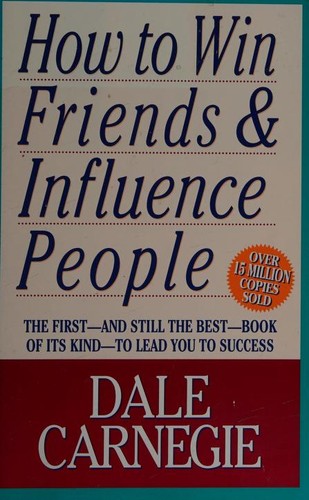
The short version: a quick read to help you decide. Not a replacement for the book.
Nearly a century after publication, it remains the definitive text on human relations and influence.
Genuine interest, honest appreciation, and letting others feel important are more persuasive than clever arguments.
1. You can't win an argument — even when you're right.
Winning the point almost always loses the relationship.
2. Give honest, sincere appreciation — not flattery.
People can tell the difference.
3. Become genuinely interested in other people.
You make more friends by being interested than by being interesting.
4. Let the other person feel the idea is theirs.
People support what they help create.
5. Talk in terms of the other person's interests.
The fastest way to cooperation.
Anyone in any role requiring working with or influencing other people.
Principle: You can't win an argument.
The action: Practice conceding gracefully instead of arguing.
Principle: Honest appreciation, not flattery.
The action: Tell someone something genuinely admirable today.
Principle: Become genuinely interested in others.
The action: Have a conversation focused entirely on the other person.
Principle: Let the other person feel the idea is theirs.
The action: Frame a suggestion as a question.
Principle: Talk in terms of the other person's interests.
Complete steps 1–4 first.
The action: Rewrite a request from the other person's point of view.